Will the Asian Games Cancel Esports Events? Rumors Officially Debunked
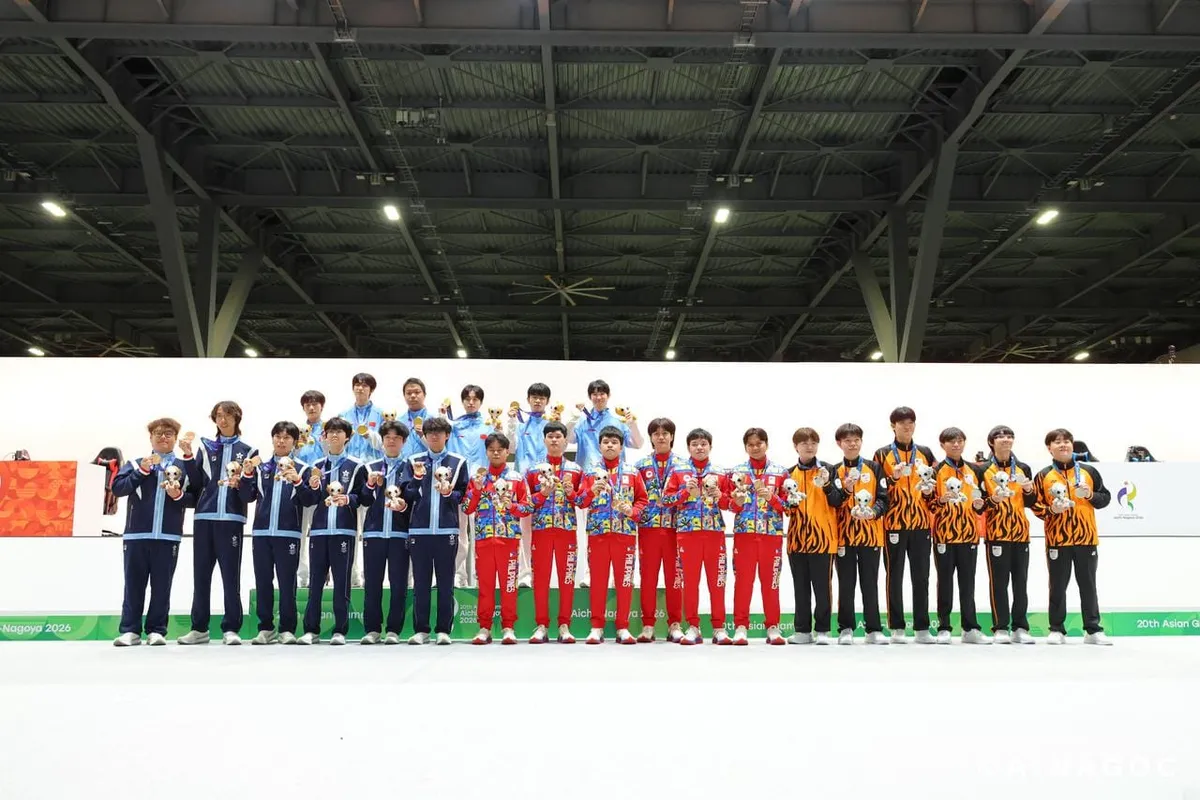
Recently, circulating meeting minutes from an Olympic Council of Asia (OCA) 90th Executive Board meeting sparked intense industry speculation. Reports across various media outlets suggested a proposal had been tabled to remove esports from the official Asian Games program following the Aichi-Nagoya edition, with plans to launch a new, standalone esports event. However, this speculation has now been officially put to rest.
An official Chinese Asian Games account recently released a public statement explicitly debunking the media reports that esports will be removed from the Asian Games.
In the official statement, the OCA said it has never made or released any decision regarding esports exiting the Asian Games, and that online reports claiming otherwise do not reflect its actual work arrangements. The clarification comes after the OCA signed a host city contract with Kuwait on September 19, 2026, confirming Kuwait as the host of the inaugural Asian Esports and Mind Games in 2027.
OCA Director General Husain Al-Musallam emphasized that the popularity of esports in Asia was a key consideration behind the new event. "The creation of the Asian Esports and Mind Games is to provide more stages for Asian athletes to showcase their talents, and will not weaken esports' position within the Asian Games system," he said.
From Demonstration to Domination: The Rapid Evolution of Asian Games Esports
Esports made its debut as a demonstration sport at the 2018 Jakarta Asian Games, became a full medal event at the 2023 Hangzhou Asian Games, where a total of 7 gold medals were awarded, and its development momentum and influence across Asia continue to rise.
Esports at the Aichi-Nagoya Asian Games is fully underway as an official medal category, with tournaments progressing seamlessly since the opening ceremonies. National esports rosters from across the continent are actively battling for podium finishes across 11 distinct medal events. The complete lineup of featured titles includes League of Legends, Honor of Kings, PUBG Mobile (Asian Games Version), Mobile Legends: Bang Bang, Pokémon Unite, Competitive Fighting, Identity V (Asian Games Version), Naraka: Bladepoint, Gran Turismo 7, eFootball, and Puyo Puyo Champions.
We firmly believe that the OCA's decision to keep esports integrated is the correct one, as remaining in the Asian Games represents the ultimate win-win solution for both traditional sports governing bodies and the global esports industry.
The Case for Integration: A Mutual Win-Win
The Asian Games and the esports industry provide immense, reciprocal value to one another. Segregating esports into a standalone, unproven regional tournament risks unravelling years of foundational progress. Here is why maintaining the current ecosystem benefits all stakeholders:
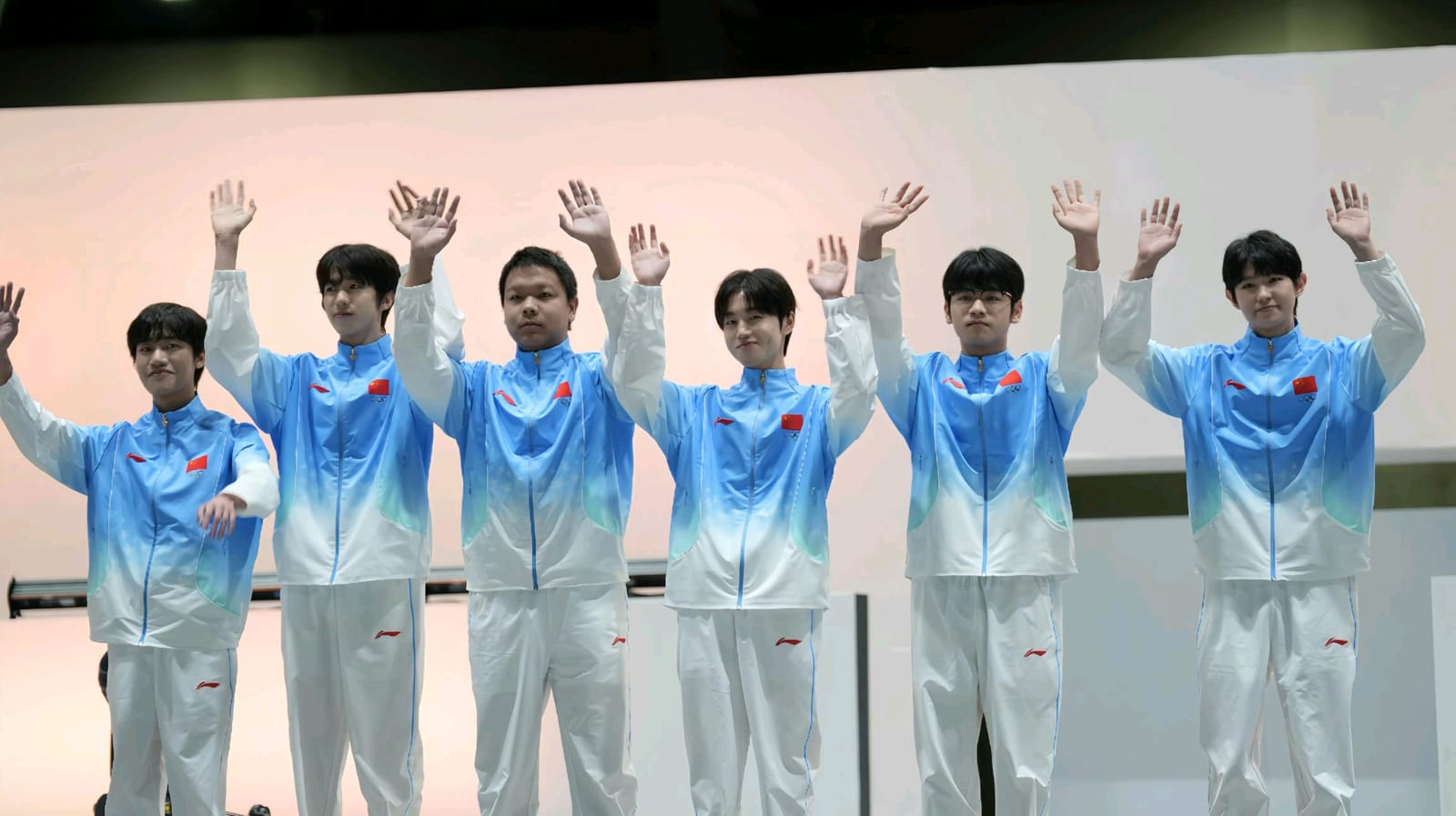
- Unprecedented Government Recognition: Over the past two Asian Games, the inclusion of esports has garnered massive viewership and, crucially, recognition from state governments. This Olympic-tier validation has given a strong boost to domestic esports infrastructure and policy development across Asian nations.
- Rejuvenating the Asian Games Brand: Traditional multi-sport events face an ageing demographic. Esports is inherently driven by youth culture. By keeping digital sports on the main stage, the Asian Games directly engages the next generation, helping the historic sporting property maintain a vibrant, modern, and youth-oriented brand image.
- Publisher Commitment Relies on Prestige: Major game publishers dedicate significant resources, licensing, and operational support to the Asian Games precisely because of its authoritative background and elite status. If esports is relegated to an independent competition without the primary OCA flagship endorsement, the level of publisher support and corresponding fan attention would drop significantly.
- Unmatched Institutional Influence: Historically, various manufacturers and associations have attempted to launch independent regional tournament brands, but none have ultimately matched the mainstream gravity of the Asian Games. For instance, South Korean players are eligible for mandatory military service exemptions by winning an Asian Games gold medal, and China's largest state television network, CCTV, broadcast the esports competitions live nationwide for the first time this year.
While internal debates over the logistics of esports at the Asian Games within the Olympic Council of Asia may continue behind closed doors, the official refutation of these rumors is a victory for the industry. Esports has proven its immense value on the main stage, and it belongs in the Asian Games side-by-side with traditional athletics.
From our perspective, the path forward is clear: esports must remain an official medal event within the Asian Games. Keeping digital sports integrated is the ultimate win-win solution for both the OCA and the global esports industry.