These Shifts Are Quietly Taking Place in Indian Esports Industry
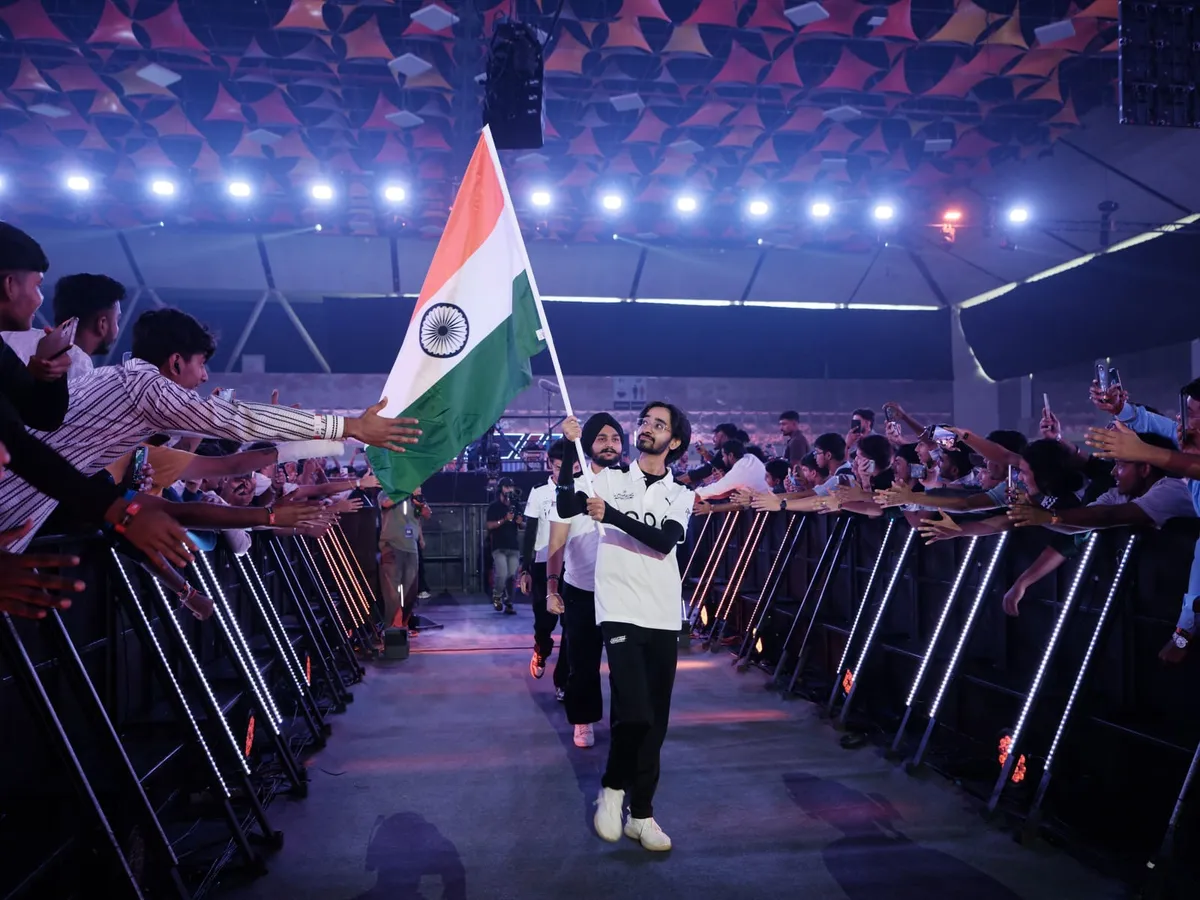
The Indian esports industry has spent much of the past decade being described as a market with enormous potential. The more interesting question in 2026 is whether that potential is finally turning into deeper industry infrastructure.Rather than simply looking at future financial projections, the real evidence of India's development lies in the tangible milestones achieved over the last year. From record-breaking 728,713 concrrent viewership during BGMI Pro Series 2026 to an unprecedented volume of LAN events hosted across the country, the ecosystem is evolving.
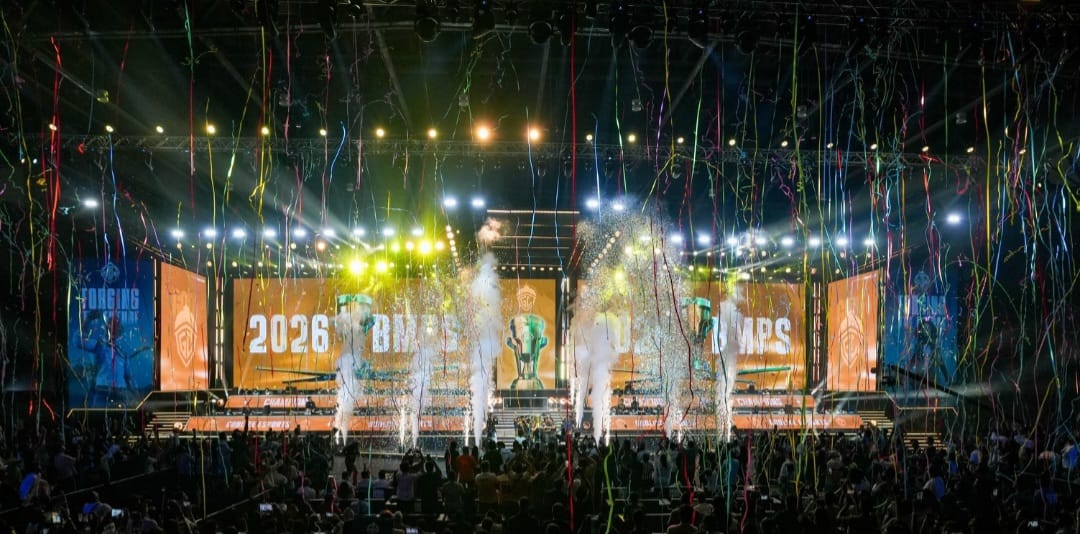
Beneath the surface of these major events, structural shifts are quietly transforming Indian esports from a fragmented landscape of independent players into a highly interconnected, globally competitive industry.
Increased Investment and Commitment from Global Publishers
The most visible change is coming from global publishers that are no longer treating India simply as an isolated audience market, but rather as a critical node in their global competitive ecosystems.KRAFTON’s strategy perfectly illustrates the shift from simply treating India as a player base to actively funding its local industry. In September 2026, KRAFTON announced an additional $250 million investment for the Indian market over the next three to four years, bringing its total capital commitment to over $500 million since 2021.
Beyond competitive events, this capital is actively developing domestic talent through the KRAFTON India Gaming Incubator (KIGI) program, which provides crucial funding, mentorship, and resources to local game developers.
On the competitive front, KRAFTON India's expanded 2026 esports roadmap, featuring four flagship IPs (BGMI India Series, BGMI Pro Series, BGMI Showdown, and BGMI International Cup) and four open tournaments, is meticulously designed to build a progression ladder that moves players from grassroots competition directly into professional, international opportunities.
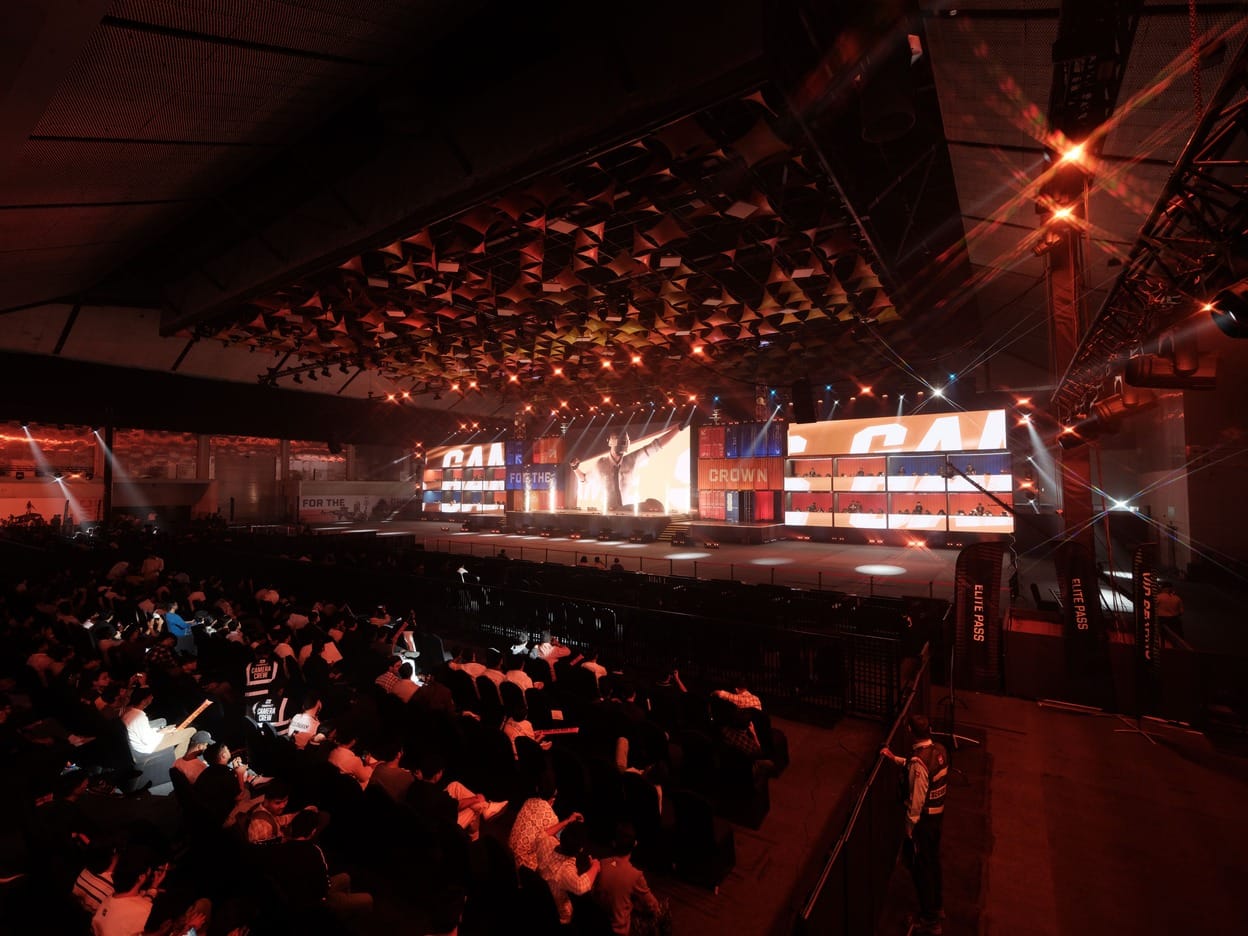
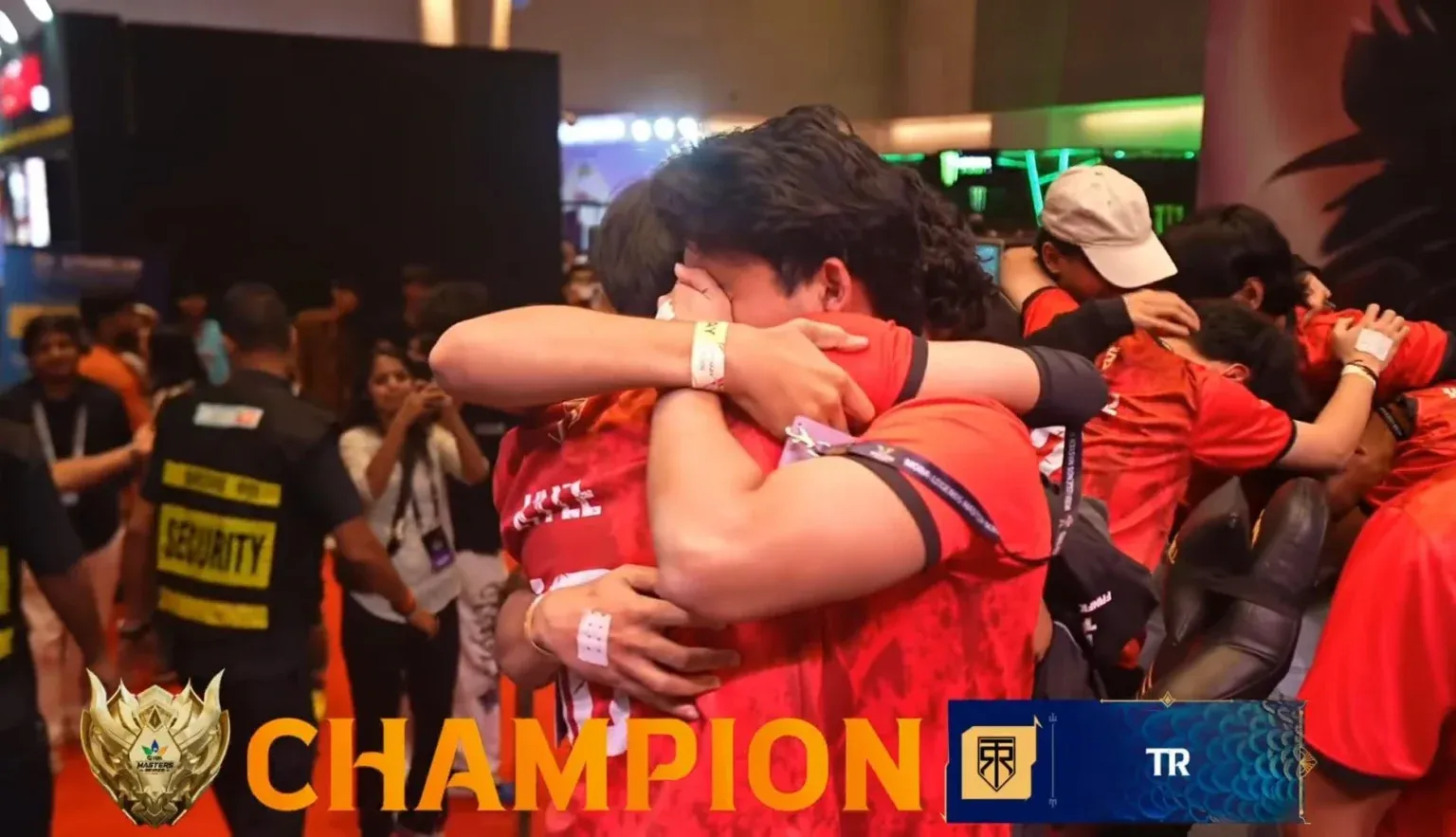
Another example of this shift perfectly illustrates with the return of Mobile Legends: Bang Bang. Following its 2020 ban by the Ministry of Electronics and Information Technology, the game's developer, MOONTON Games, orchestrated a strategic reentry by partnering with local partners, to launch the localized MOBA Legends: 5v5.The significance here lies not just in the scale of the subsequent tournaments, but in the immediate reintegration of Indian talent into the global circuit. Vizta Games partnered with Mineski Events Team, an active Southeast Asian esports organizer, to introduce the MOBA Legends: 5v5 Masters Series. The event culminated in the Indian champions securing a direct spot at the MLBB Mid Season Cup during the 2026 Esports World Cup (EWC).
Popular mobile esports title, Honor of Kings officially launched in India in 2026 published by Level Infinite and TiMi Studios. Its entire competitive and community footprint represents net-new investment rather than recycled tournament inventory. In May and June 2026, they rolled out the Honor of Kings India City Tour and national qualifiers, awarding two direct spots to the Esports World Cup Mid-Season Invitational in Riyadh.
This momentum carried into September 2026, when Level Infinite partnered with JioBLAST to host the Honor of Kings International Championship (KIC) India Qualifier, securing a direct pathway to the world championship. Backing this competitive infrastructure, the publisher simultaneously invested in the broader community by launching an Indian Creator Partner Program with approximately $120,000 in prize incentives, establishing an end-to-end ecosystem in its inaugural year.
Indian Esports Clubs Are Becoming Formalized and Globally Competitive
For years, many Indian esports organizations were heavily dependent on a single game, leaving them highly exposed to shifting publisher decisions. Today, Indian esports clubs are quietly undergoing a massive structural transformation.Backed by structured investments and increasingly powerful brand partnerships—such as S8UL’s major deals with Campa Energy, AMD, YouTube, and iQOO, alongside GodLike Esports securing backing from Red Bull India, Hero Xtreme, and OnePlus—club management is becoming vastly more formal.
GodLike Esports operates a sprawling 25,000-square-foot facility in Mumbai equipped with specialized server rooms, a gym, and dedicated spaces for support staff, while S8UL houses its extensive roster of athletes and creators in the state-of-the-art S8UL Gaming House 2.0.
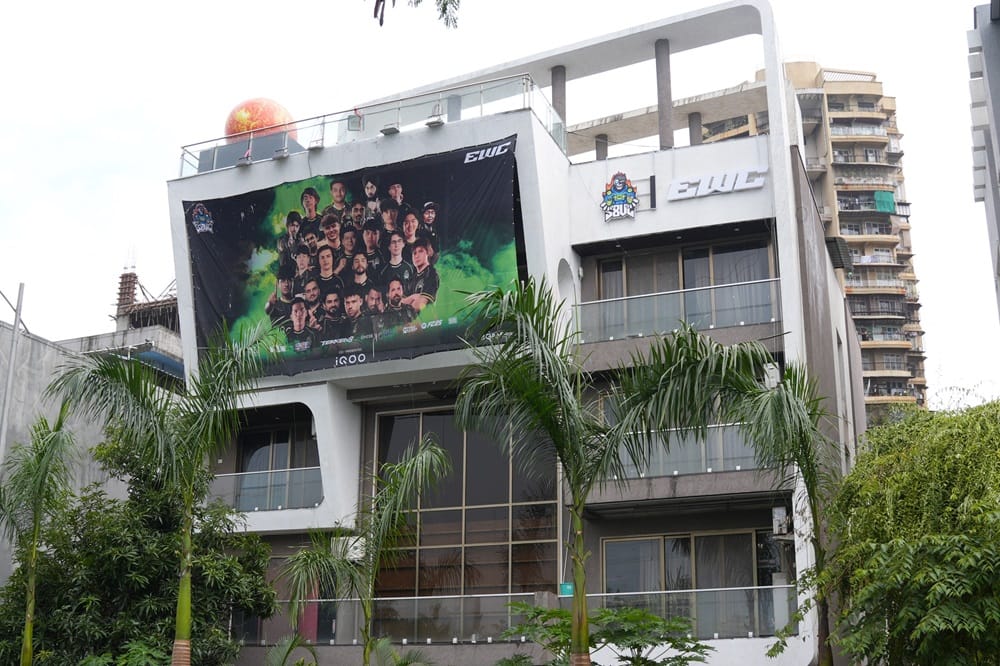
These fully institutionalized training bases utilize physical fitness coaches, sports psychologists to manage player burnout, and in-house data analysts. This robust physical and mental infrastructure is precisely what has enabled these clubs to aggressively expand beyond single mobile games and successfully manage the complex, multi-title rosters required for global circuits.
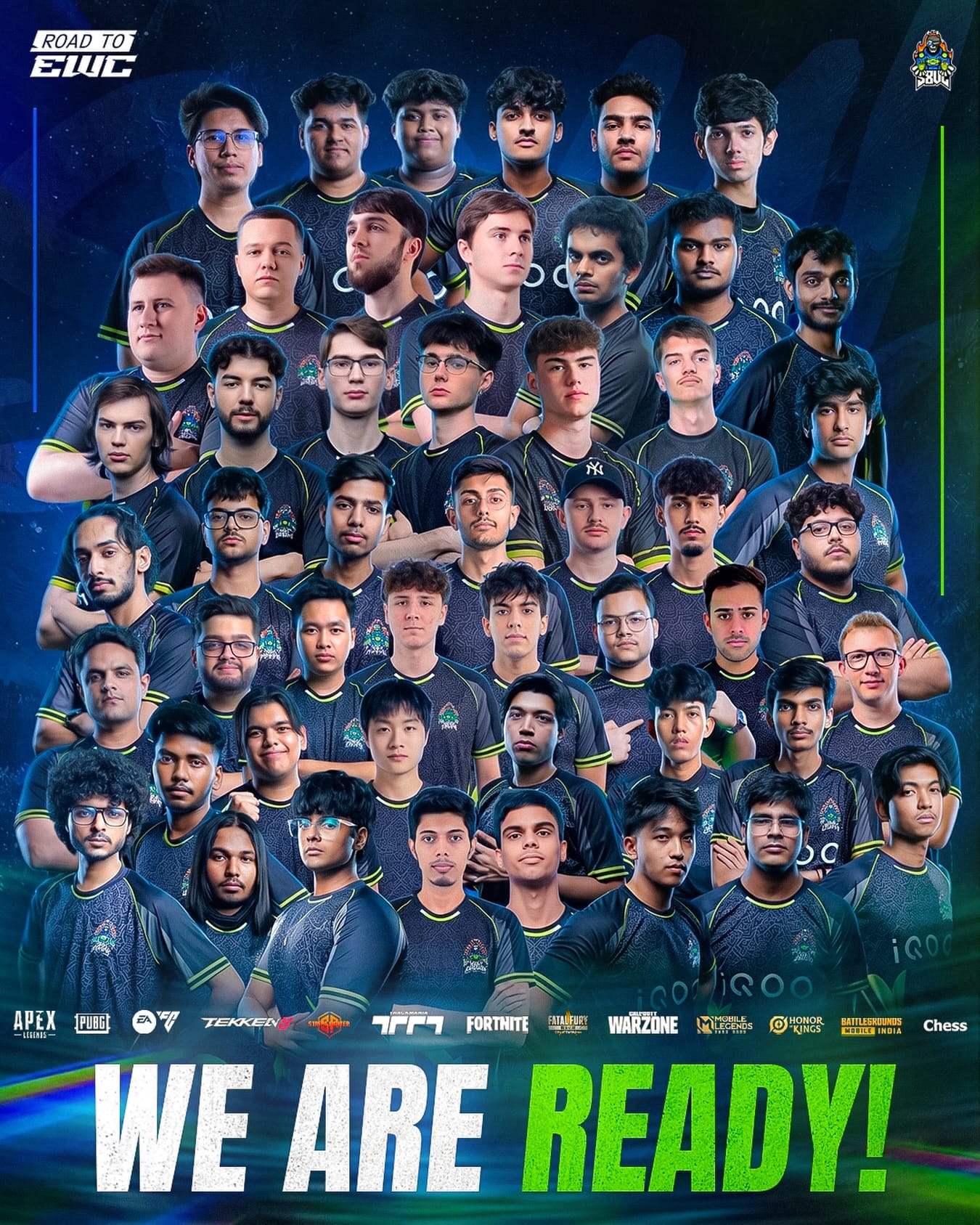
S8UL and GodLike Esports exemplify this evolution, with both organizations securing spots in the prestigious Esports World Cup Foundation Club Partner Program.Ahead of the 2026 Esports World Cup (EWC), S8UL aggressively expanded its global footprint, entering the tournament's qualification pathways with competitive lineups across 13 distinct titles, including Apex Legends, Chess, EA Sports FC, and Street Fighter 6.
As part of this massive expansion, the organization entered PUBG: BATTLEGROUNDS esports in April 2026 by acquiring the highly accomplished former Question Mark roster from the CIS region. Further diversifying its international talent pool, S8UL officially entered Fortnite on April 28, 2026, signing Kaan from Germany and Faded from Romania—a duo that successfully secured the organization a spot at the main event in Paris.
GodLike Esports followed a similar trajectory ahead of the 2026 Esports World Cup, aggressively expanding its competitive footprint across qualifiers for 12 different mobile, PC, and console titles including Honor of Kings, Apex Legends, and Fatal Fury.To secure top-tier international talent, the organization made a major move in April 2026 by signing Team Burger—an established American Apex Legends roster—to compete under the GodLike banner.
That same month, the club further diversified its global portfolio by officially entering the Fatal Fury competitive scene, signing Japanese fighting game specialist Score to represent the Indian organization on the international stage.These are no longer just local teams; They are diversified, globally competitive esports businesses making breakthroughs on the international stage.
The Cross-Sector Expansion of India's Esports Ecosystem
Previously, the Indian competitive calendar was dominated almost exclusively by official tournaments organized directly by publishers. Today, the wider esports ecosystem has been thoroughly invigorated by a cross-sector alliance of third-party operators, non-endemic corporate giants, state governments, and academic institutions.Massive multinational corporations are now directly funding grassroots and tier-1 events to capture the youth demographic.
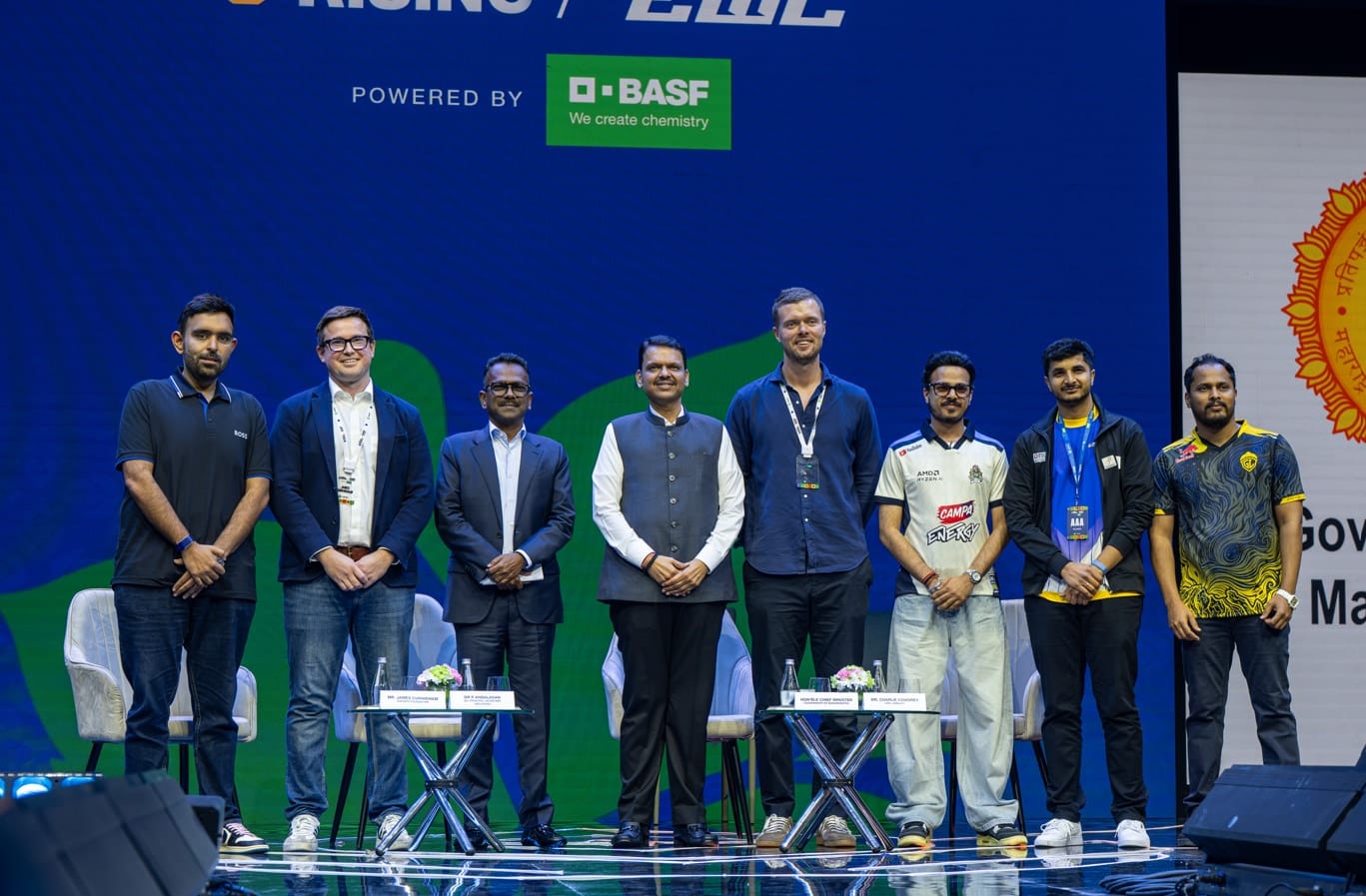
For example, BASF, a global chemical corporation served as the primary sponsor powering the JioBLAST-operated "India Rising: Road to EWC" qualifiers, directly backing both the VALORANT Creator Showmatch and the MOBA Legends: 5v5 Finale.
JioBLAST itself is working towards the broader ecosystem; Beyond its EWC qualifiers, the organizer is heavily investing in regional talent through grassroots initiatives like the Gully Wars: Battlegrounds Mobile India tournament.
Companies like Skyesports are driving this momentum, executing Tier 1 Counter-Strike 2 events and partnering with Tamil Nadu State Govenment for initiatives like the Chennai Esports Championship.
Crucially, this ecosystem activation extends deeply into state-level integration and formal education. State governments are actively incorporating esports into their youth and cultural programs. In December 2025, Nagaland's Department of Youth Resources and Sports organized the Hornbill Esports Championship Season 2, providing a structured, state-backed environment where multiple titles—including BGMI, MOBA Legends: 5v5, eFootball, e-Chess, and FC 25—were contested alongside traditional festivities.
Simultaneously, the industry's maturation has caught the attention of Indian academia. Educational entities are moving beyond mere observation to actively developing the industry's future workforce. Institutions such as the Indian Institute of Creative Technologies (IICT) have introduced dedicated academic programs, including a Certificate in E-Sports & Gaming Management designed to train students in tournament operations, broadcasting, and team management.
This widespread emergence of corporate sponsors, independent organizers, state-supported platforms, and academic research proves that the Indian esports market is building a sustainable, year-round infrastructure that no longer relies solely on the marketing budgets of game publishers.
From Local Organizers to Global Esports Players
As the domestic market matures, India's homegrown gaming companies have evolved far beyond the narrow label of "tournament operators" acting merely as local execution partners for foreign IPs. They are rapidly transforming into global gaming, esports, and youth media players, establishing deep international footprints across multiple continents.
NODWIN Gaming serves as the most prominent example of this multinational scaling. Rather than simply operating within South Asia, the company has systematically built a global presence through targeted acquisitions and the establishment of regional subsidiaries. The company’s global expansion strategy gained massive momentum with the high-profile acquisition of Berlin-based esports agency Freaks 4U Gaming. What began as a minority stake investment in January 2024 culminated in full ownership via a share swap deal in June 2024. This move immediately embedded NODWIN into the heart of the European PC esports ecosystem.
This was soon complemented by its outright acquisition of Ukrainian tournament operator StarLadder on January 31, 2025, further strengthening its global broadcast and event production capabilities across Europe and the CIS regions.To capture the rapidly growing gaming demographic in other emerging markets, the company has set up dedicated regional operations across Africa, including South Africa, Kenya (via initiatives like Swahili Esports Champions in Nairobi), and Nigeria. Simultaneously, the company solidified its operations hub in Dubai in October 2023 to directly service and produce massive events for the booming Middle East and North Africa (MENA) region.This outward momentum is shared by other domestic production houses.
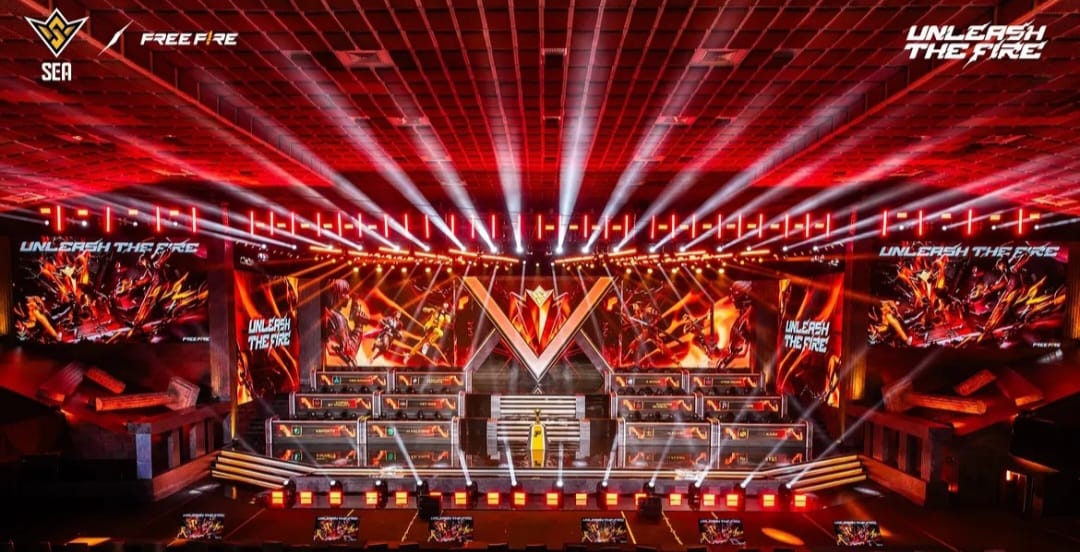
Companies like Tesseract Esports have leveraged their extensive domestic experience to cross borders, handling production of the Free Fire World Series (FFWS) 2024 Southeast Asia Indonesian broadcast, alongside regional tournaments like the Snapdragon Conquest PUBGM Pro Series Indonesia & Vietnam.Indian esports entities are no longer just facilitating domestic events; They are actively acquiring international assets, shaping cross-border tournament circuits, and competing as heavyweight infrastructure players on the world stage.
Growing Government Attention and Institutional Support
The formal recognition of esports by the Indian government is deepening, integrating competitive gaming directly into the nation's formal sporting architecture.For years, esports was unfairly grouped with pay-to-play card games, fantasy platforms, and wagering apps. This association subjected competitive video games to severe public scrutiny, regional state-level bans, and the heavy 28% GST regime that hit real-money gaming, creating legal ambiguity and discouraging mainstream non-endemic sponsors.
The decisive turning point came in April 2024, when Prime Minister Narendra Modi hosted a landmark roundtable with prominent Indian creators and esports athletes, explicitly differentiating competitive video gaming and domestic game development from gambling and wagering.This conceptual distinction achieved statutory backing with the passage of the Promotion and Regulation of Online Gaming (PROG) Act, 2025, alongside the National Sports Governance Act, 2025. The legislation formally decoupled competitive gaming from the RMG sector and banned Real Money Gaming in India. It established a legal framework that recognizes and promotes esports as a formal sport.
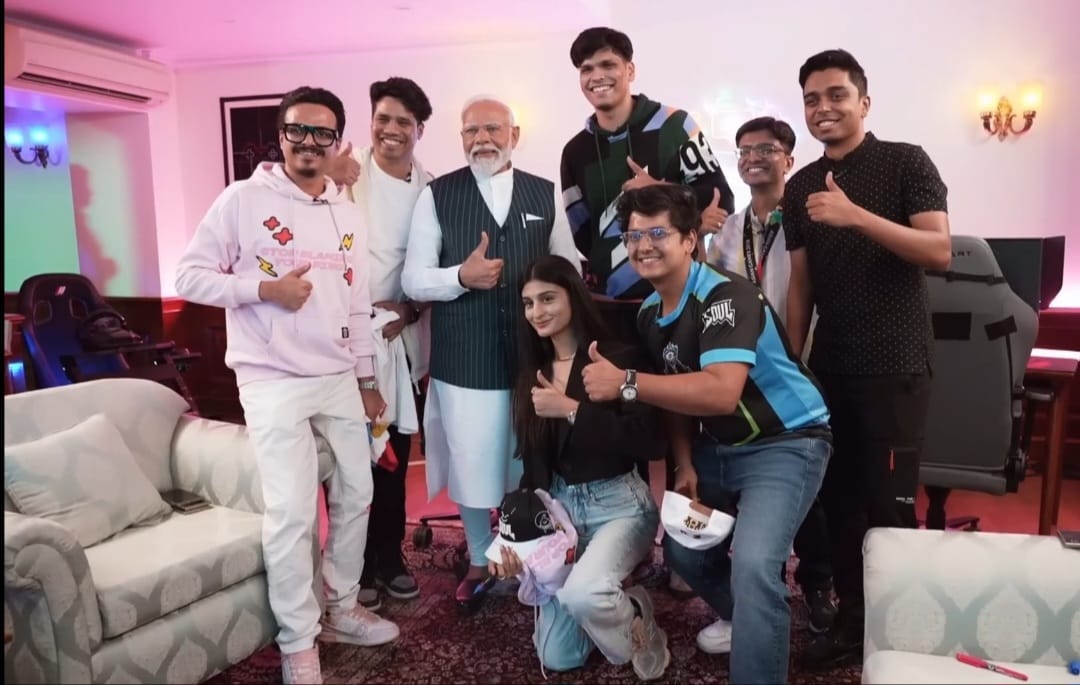
This high-level attention has cascaded down through the government, evidenced by the Minister of State for Youth Affairs and Sports inaugurating the Esports Conclave 2025 to shape national policy and elevate India's position in competitive gaming. Furthermore, India’s consistent commitment to the Asian Games, sending a 15-member contingent in 2023 and approving another for Aichi-Nagoya 2026, cements the discipline's status as a legitimate medal sport.
The legal challenge brought by the E Sports Games Federation (ESGF) against the Esports Federation of India (ESFI) in the Delhi High Court undeniably highlights the current administrative chaos within the ecosystem. In the short term, disputes over the Asian Games selection process and federation authority, marked by the court issuing notices in August 2026 and listing the matter for a hearing on October 1, 2026, create unfavorable friction and regulatory uncertainty.However, in the long run, this conflict represents a growing recognition of esports by the country's formal sporting and legal frameworks.
The ESGF’s petition asking the Ministry of Youth Affairs and Sports and the Indian Olympic Association to disclose the statutory basis for ESFI's selection authority proves that esports is no longer a niche hobby operating in the shadows. Instead, it is transitioning into a legitimate national sporting discipline that commands the rigorous governance, legal scrutiny, and institutional accountability expected of traditional sports.
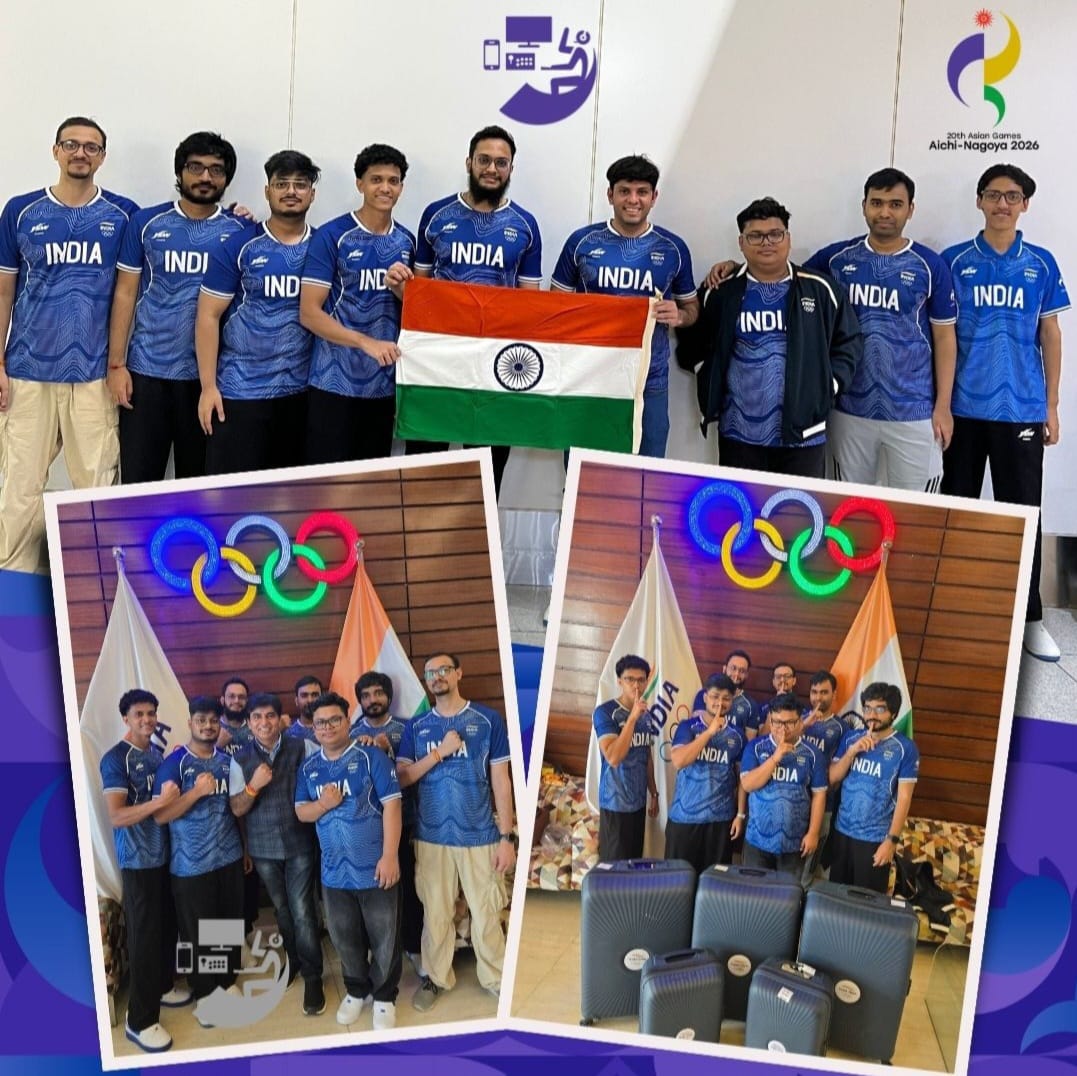
While challenges such as finalization of regulatory frameworks remain, the progress made over the past five years has been remarkable. The Indian esports market is moving from fragmented participation toward a deeply interconnected, formalized industry. Driven by structured publisher investments, professionalized clubs, globally minded tournament operators, and genuine government support, the foundation has been laid. Looking ahead, the trajectory of the Indian esports market for the next five years is highly anticipated, promising an era of unprecedented global impact.