Esports at Asian Games 2026: What Stories Lie Behind the Medals?
The Asian Games, Asia’s premier multi-sport quadrennial event, brings together nations from across the continent to compete at the highest athletic level. Esports has experienced rapid institutional growth since its initial trial as a demonstration event featuring six titles at the 2018 Jakarta-Palembang Asian Games. By its official medal debut at Hangzhou 2022, the program formalized into seven distinct medal events, bringing together 475 competitors across 30 National Olympic Committees (NOCs).
The Aichi-Nagoya 2026 Games builds directly on this momentum with a significantly expanded scale, hosting 11 medal competitions across 13 game titles and a field of 534 esports athletes. Participation figures reflect this consistent upward trajectory; where earlier editions saw more limited rosters, the 20th edition boasts robust, continent-wide representation ranging from 8 NOCs in League of Legends to a massive 24-nation field in eFootball.
Participation numbers reflect a growing footprint, ranging from 8 National Olympic Committees (NOCs) in League of Legends to 24 in eFootball.
Decoding the Medal Table: A More Diverse Esports Map
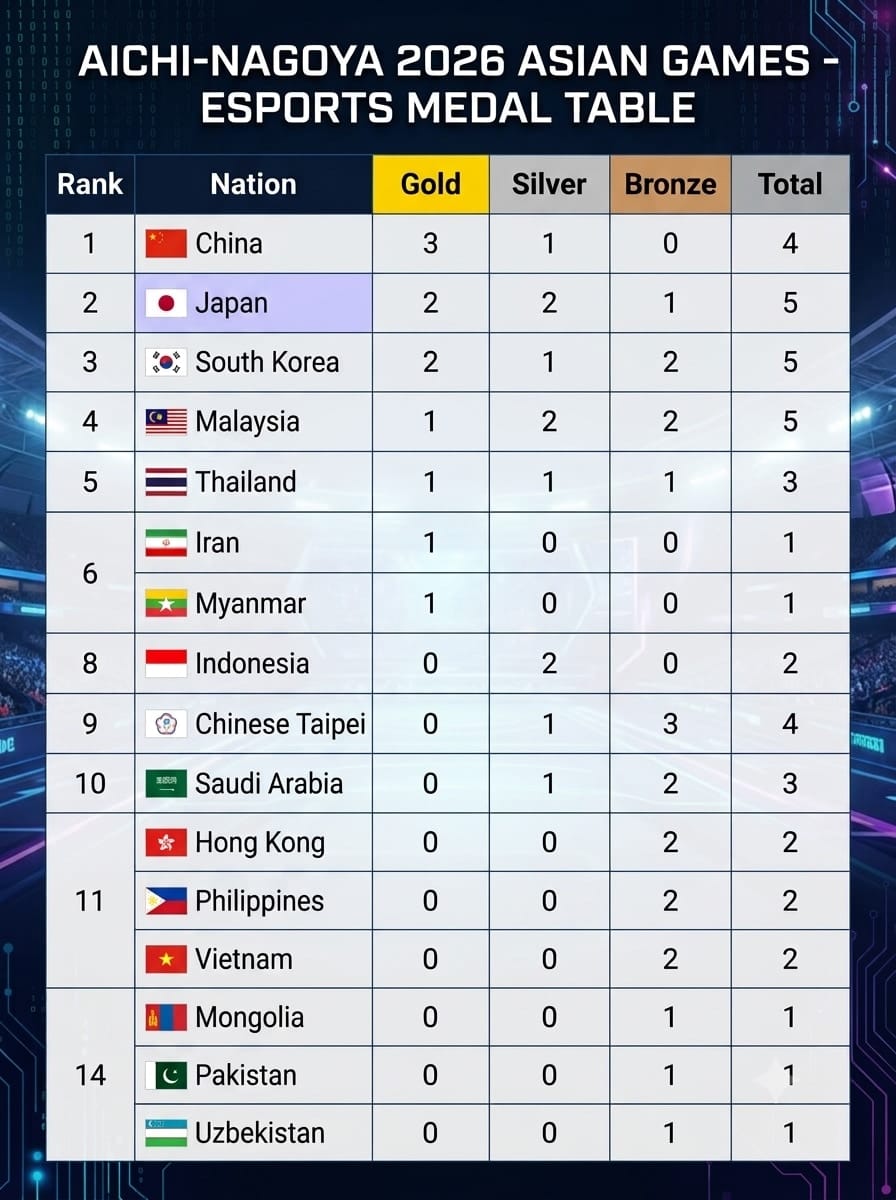
A review of the medal distribution reveals a landscape far more diverse than traditional regional rivalries. While China, Japan, and South Korea locked out the top three spots, the broader podium reflects a decentralization of Asian esports power.
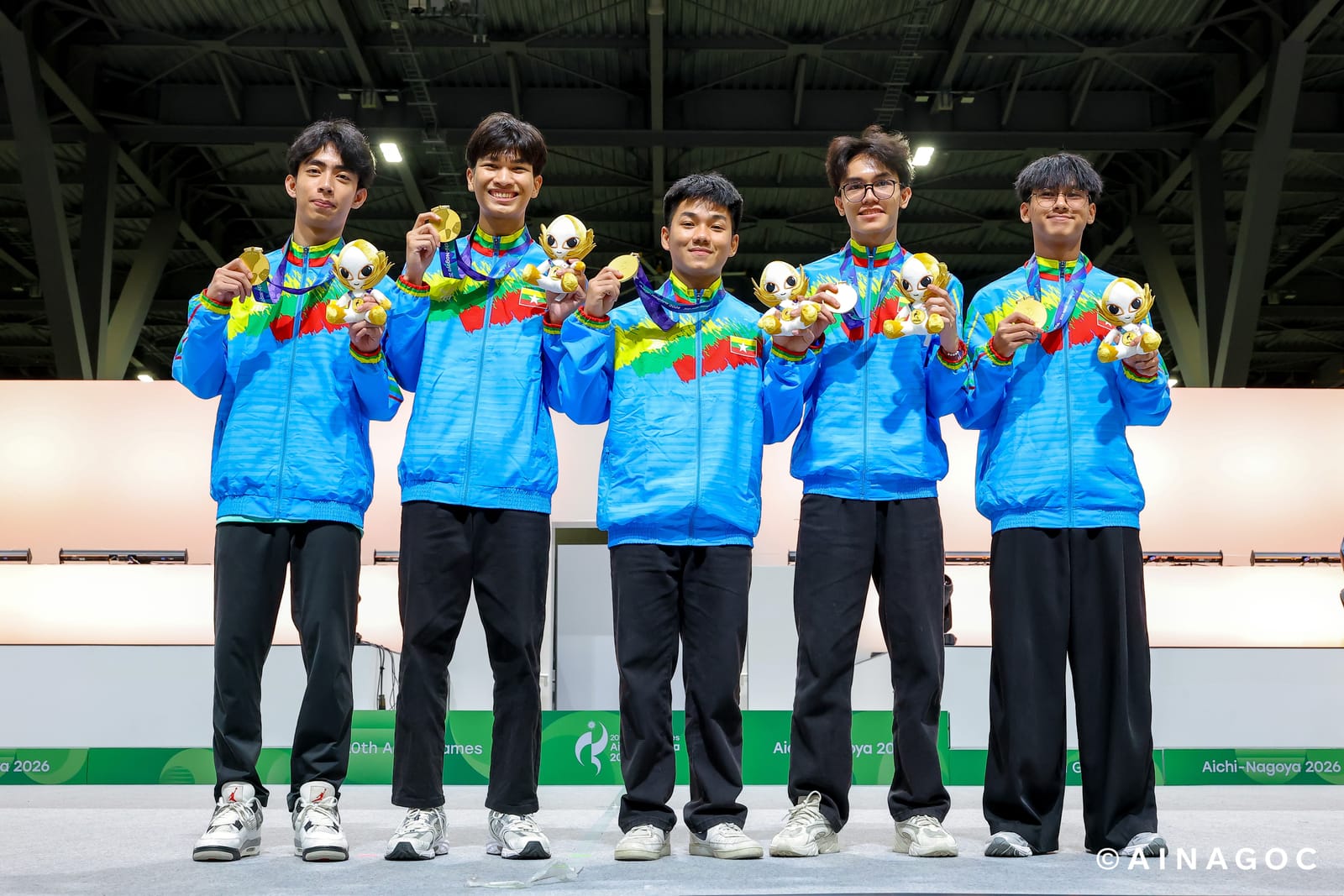
Emerging regions capitalized heavily on mobile titles and sim racing—highlighted by Malaysia’s five-medal run, Iran’s eFootball gold, and Myanmar claiming its first-ever esports gold in MLBB.
With 16 NOCs medaling, including historic maiden bronze finishes for Uzbekistan, Pakistan, and Mongolia, competitive depth is maturing well beyond traditional East Asian circuits. Beyond the raw numbers, the overarching trends of this tournament tell the real story.
Breaking Barriers: The Presence of Female Competitors
The Aichi-Nagoya Games highlighted progress regarding gender representation in competitive gaming. Out of 534 esports competitors, women represented less than 3% of the field. However, their impact was outsized.Chinese and South Korean athletes served as key pioneers, with South Korea’s Park So-yeon becoming the first woman to represent her country's Asian Games esports team.
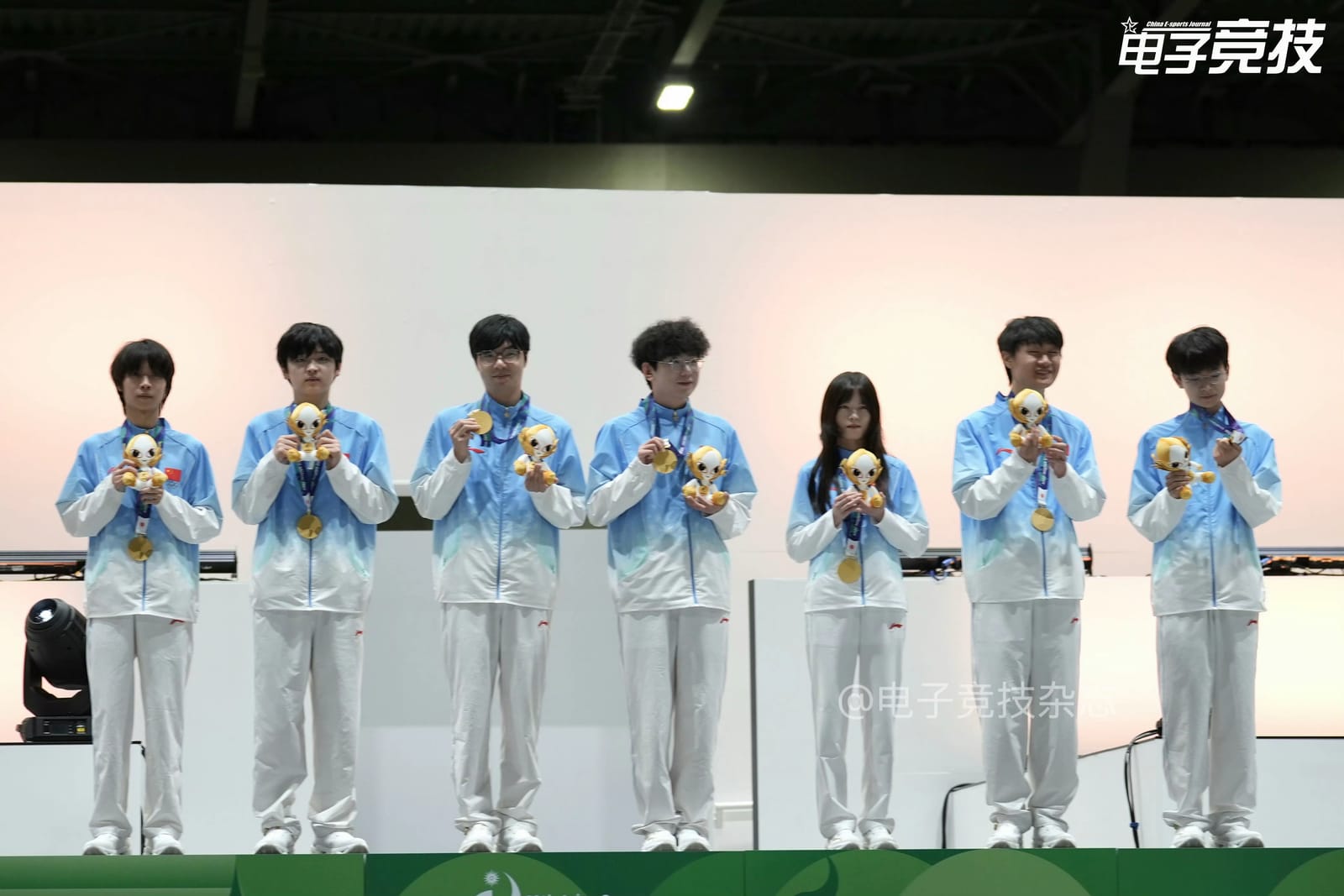
More notably, Mu Xinyue made history by becoming the first female athlete to win an Asian Games esports gold medal, securing the decisive victory in the Identity V team competition. These achievements provide a highly visible example for women on one of Asia's largest sporting platforms, demonstrating that talent and competitive drive transcend gender.
The 11-Year-Old Who Changed the Conversation
The most noteworthy story was the win of the Puyo Puyo Champions players at the Aichi-Nagoya Games. The Japanese Yuki Kurihara, who is just 11 years old, won over 24-year-old Kang Dong-shin from South Korea with a score of 10-2 and took the gold medal. Previously, in the semi-finals, Kurihara defeated 28-year-old Tanarak Wongkitikun from Thailand with a score of 10-1.
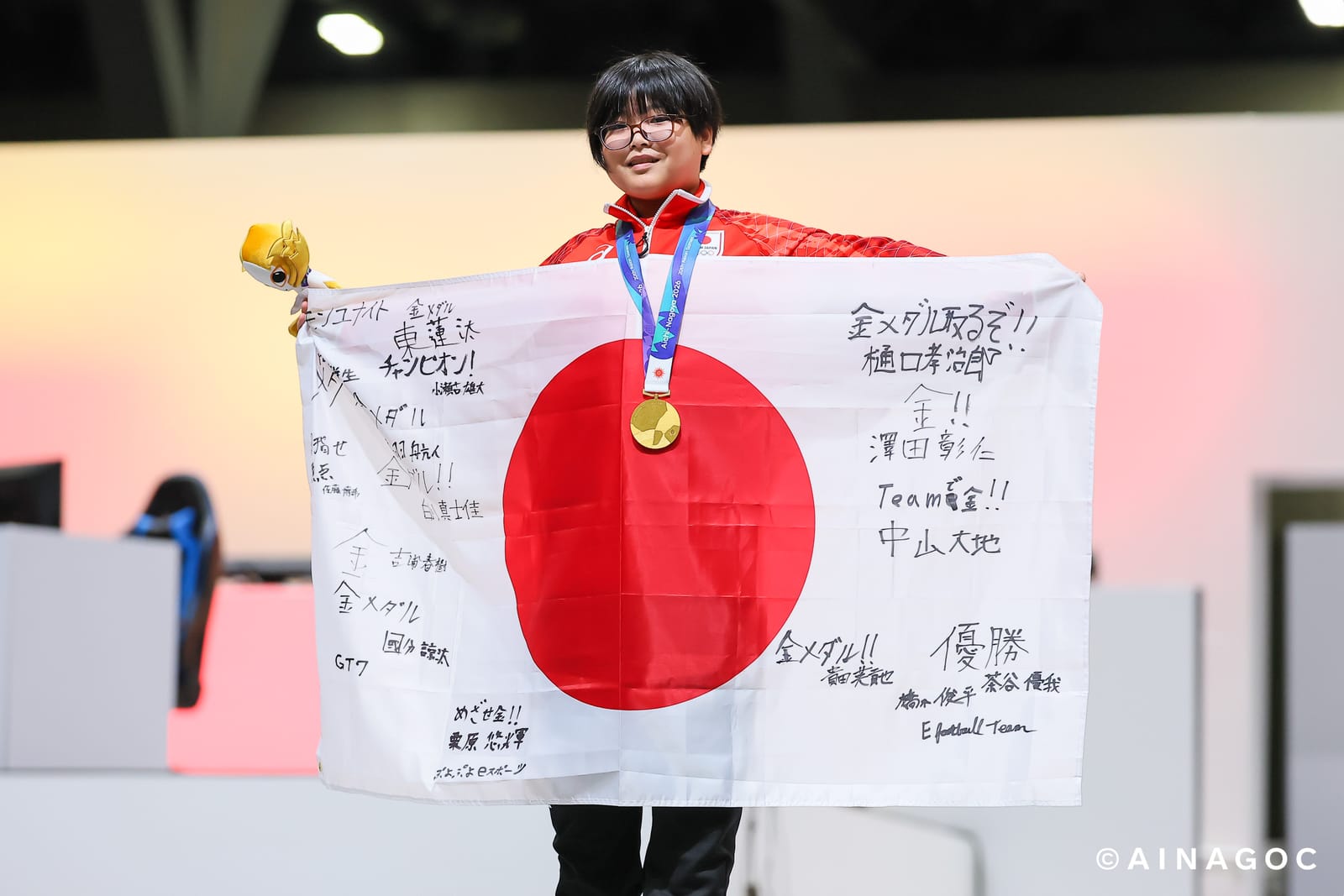
The performance of the athlete received much attention not only in the esports media, but also because he became the youngest gold medalist in the history of the Asian Games, according to the Associated Press.
Yuki Kurihara began playing the game Puyo Puyo when he was a first-grader and obtained his professional license in April 2026.This story also tells an interesting thing about the diversity of talents present at the Asian Games. Puyo Puyo is not a typical team shooter or MOBA game. It is a puzzle game involving pattern recognition and quick decision-making.
The Unexplained Absence: China’s League of Legends Team
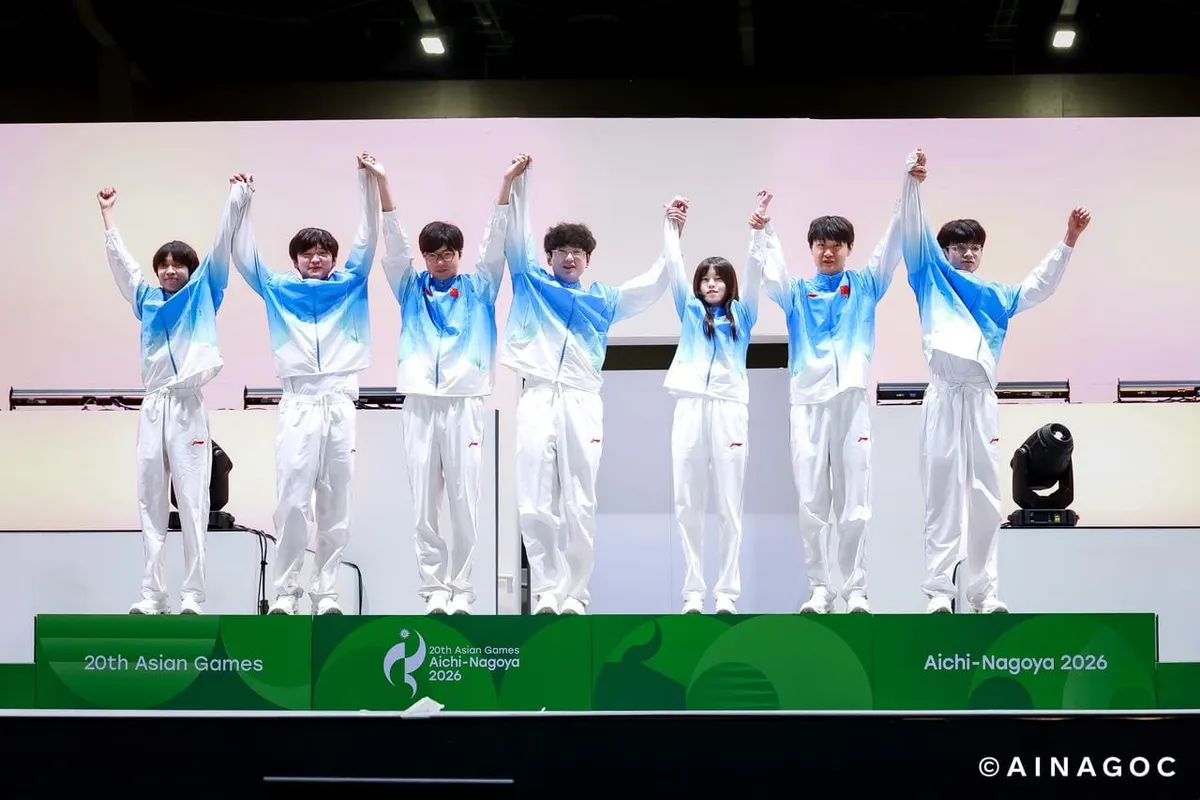
Performance of China has been among the most obvious ones in Aichi-Nagoya. The team managed to earn gold in Naraka: Bladepoint, Honor of Kings, and Identity V, as well as silver in Game for Peace, earning a total of three golds and four medals overall across all events.
Despite the high profile of the League of Legends tournament, a major storyline was an unexpected omission. China, a global powerhouse in the title with a massive domestic league, notably did not send a national team to compete in the event. The official reasons for this absence remain unknown, leaving a significant gap in the competition bracket and removing a traditional heavyweight from the path to gold.
Emerging Nations Claim Historic Golds
Esports infrastructure is rapidly developing beyond traditional East Asian hubs, leading to historic breakthroughs for emerging nations. Myanmar provided the clearest example of this upward trajectory.
Building on momentum from the Esports World Cup (EWC) earlier this year where a Myanmar squad secured an impressive second-place finish at the MLBB Mid Season Cup (MSC) the national team captured the inaugural Asian Games Mobile Legends: Bang Bang gold with a dominant 4-0 sweep over traditional powerhouse Indonesia.
Rather than an isolated underdog narrative, this championship serves as a factual indicator of sustained competitive growth and the role mobile esports plays in decentralizing global talent.
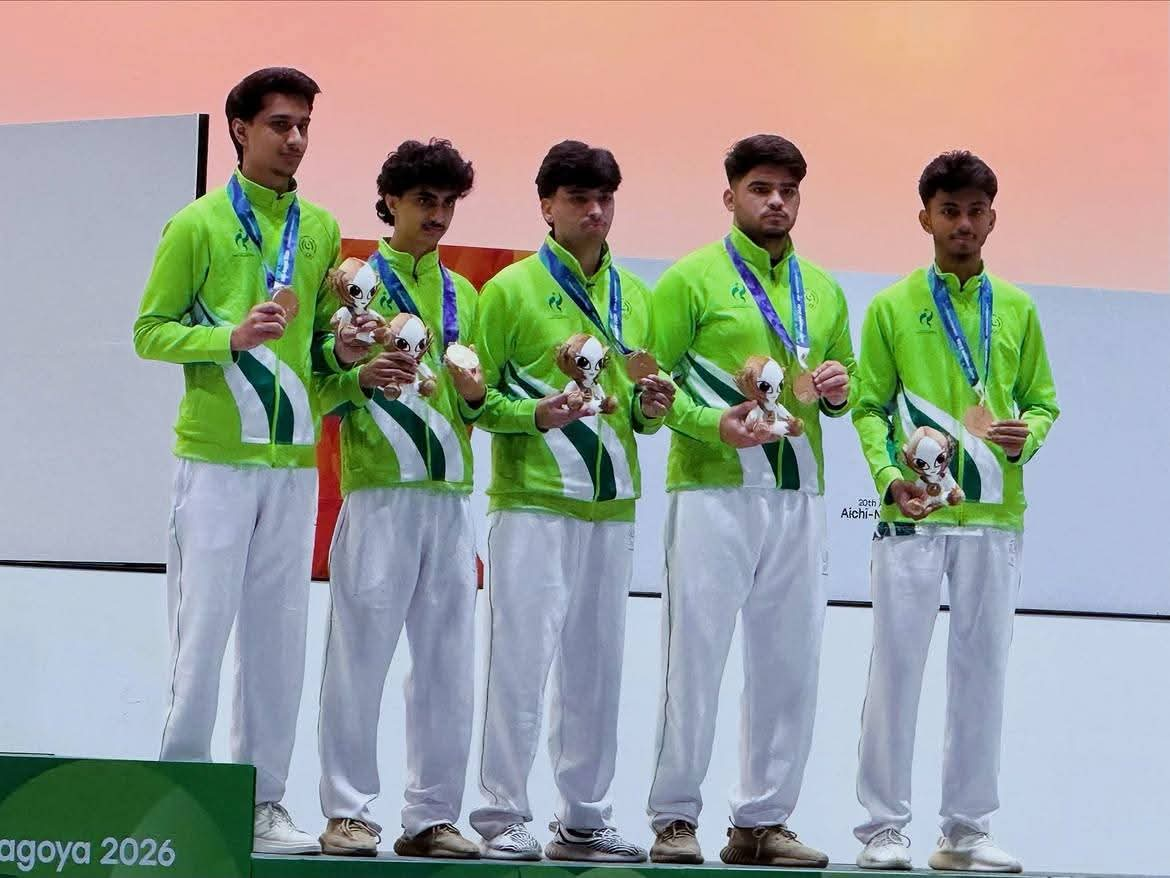
This decentralization was further evidenced by historic maiden podium finishes from developing esports ecosystems across the continent. Uzbekistan secured a bronze medal in eFootball, Pakistan claimed bronze in PUBG Mobile, and Mongolia took home bronze in Mobile Legends: Bang Bang. For all three nations, these performances marked their first-ever Asian Games esports medals.
Their success highlights how accessibility in mobile gaming and sports simulators is successfully allowing new regions to break onto the continental stage and challenge established ecosystems.
Institutional Backing: Growing National Emphasis on Esports
The 2026 Aichi-Nagoya Asian Games saw a significant increase in the number of participants, rising from 475 in the 2022 edition to 534 in the 2026 edition.
The core value the Asian Games brings to esports is national representation. The wins are recorded in official national medal tallies rather than just professional league records. Recognizing this, countries are treating esports with the same rigor as traditional sports.
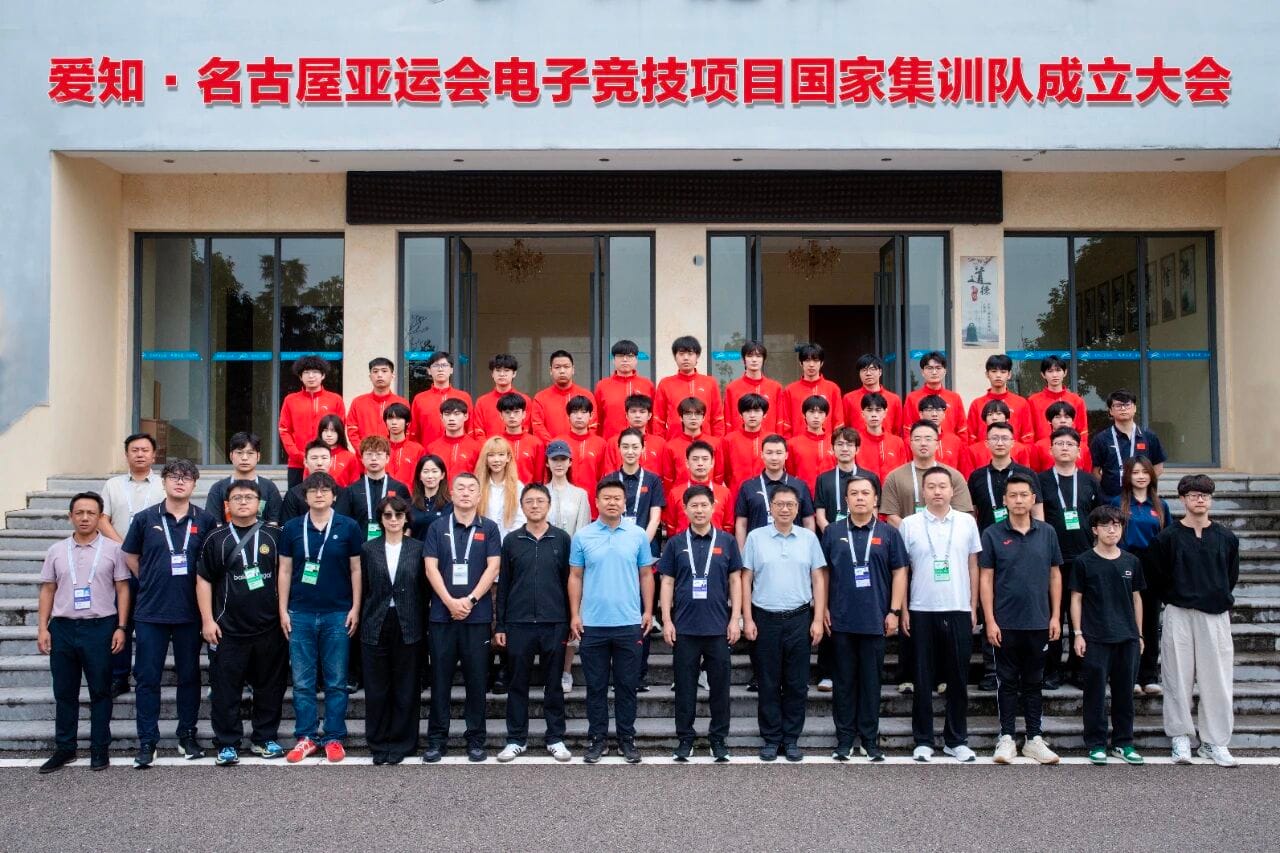
China, for instance, required its esports athletes to train at the Kunming base, a facility traditionally reserved for conventional Asian Games athletes.
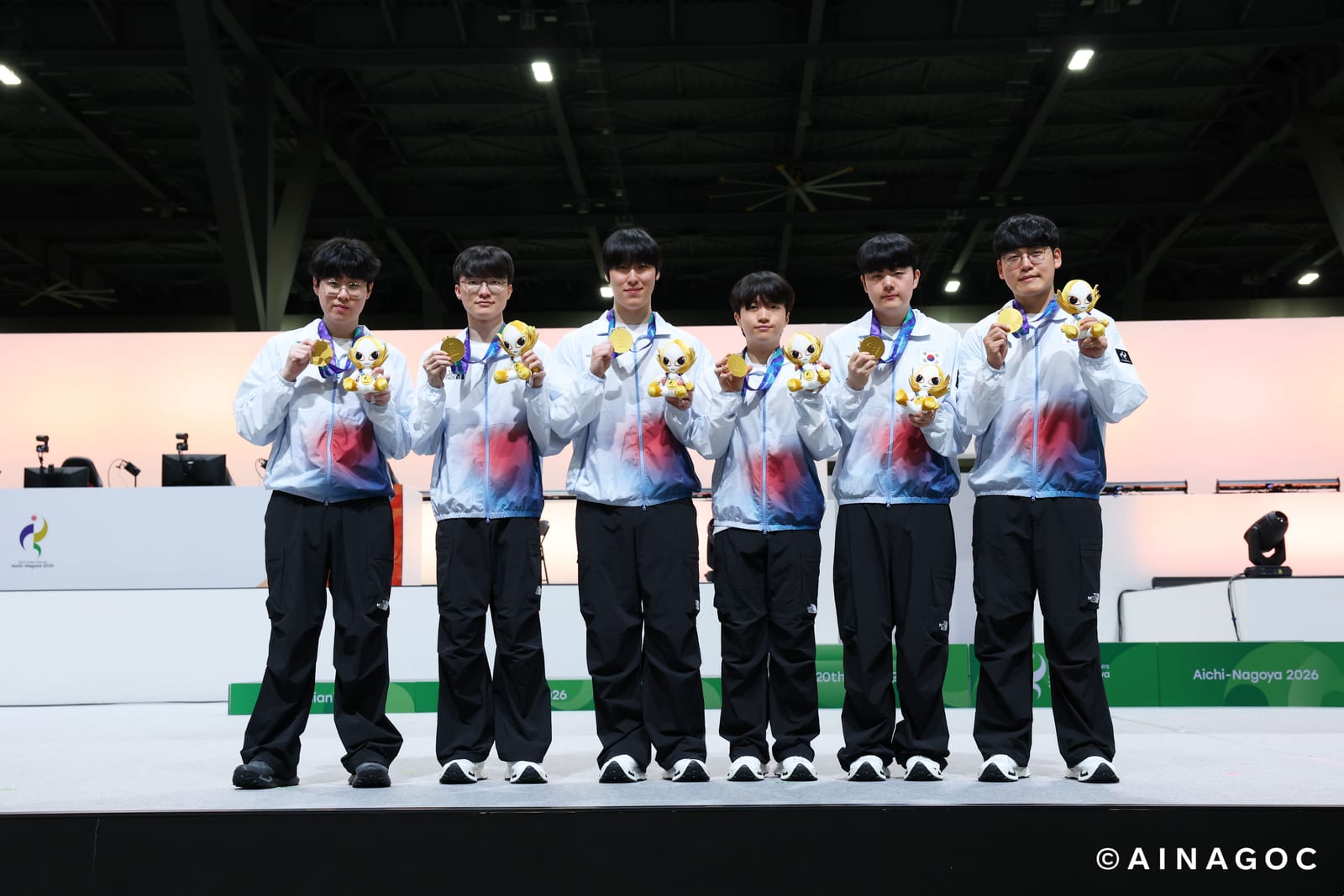
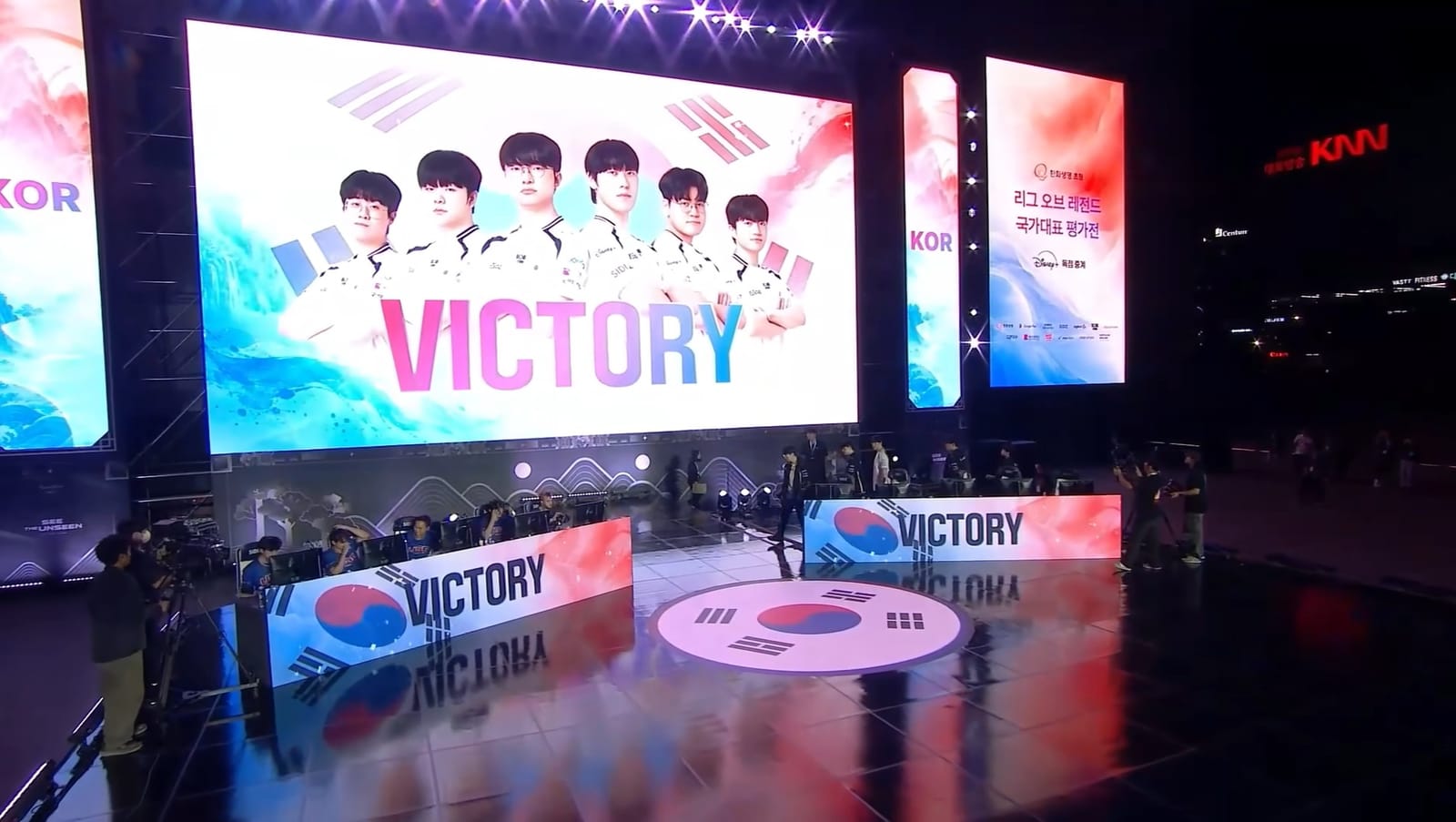
Similarly, South Korea's League of Legends team structured a formal preparation pipeline by the Korea e-Sports Association (KeSPA), holding international warm-up matches against the United States team and Vietnam prior to arriving in Japan.
Media Missteps and Rapid Clarifications
The heightened attention surrounding the event also led to off-stage turbulence. Midway through the Games, a media misreport circulated widely, falsely claiming that esports would be removed from the program for the next Asian Games.
The Olympic Council of Asia (OCA) had to issue an urgent clarification to debunk the rumor and confirm the sport's ongoing inclusion. Following an urgent clarification from the Olympic Council of Asia (OCA) confirming the sport's ongoing inclusion, Esports Pulse was the first to correct the misinformation in its report on September 28, 2026.
Cementing a Long-Term Esports Future
As the Asian Games have included esports as an official medal event for the second time, its broader impact is already undeniable. The clear increase in participating countries, the growing institutional integration by national sports federations, the visible progress made by female competitors, and the massive spike in mainstream media attention all point to a singular reality. The Asian Games' contribution to the maturation and global development of esports is comprehensive and beyond doubt.